The world faces a worsening “triple planetary crisis” of biodiversity loss, climate change, and pollution, threats that are putting lives, livelihoods, and ecosystems at risk, according to a new UN Women data brief on gender and biodiversity.
The report warns that rising temperatures, widespread pollution, and habitat destruction are already driving the loss of countless species, and that the pace of change will intensify unless urgent action is taken.
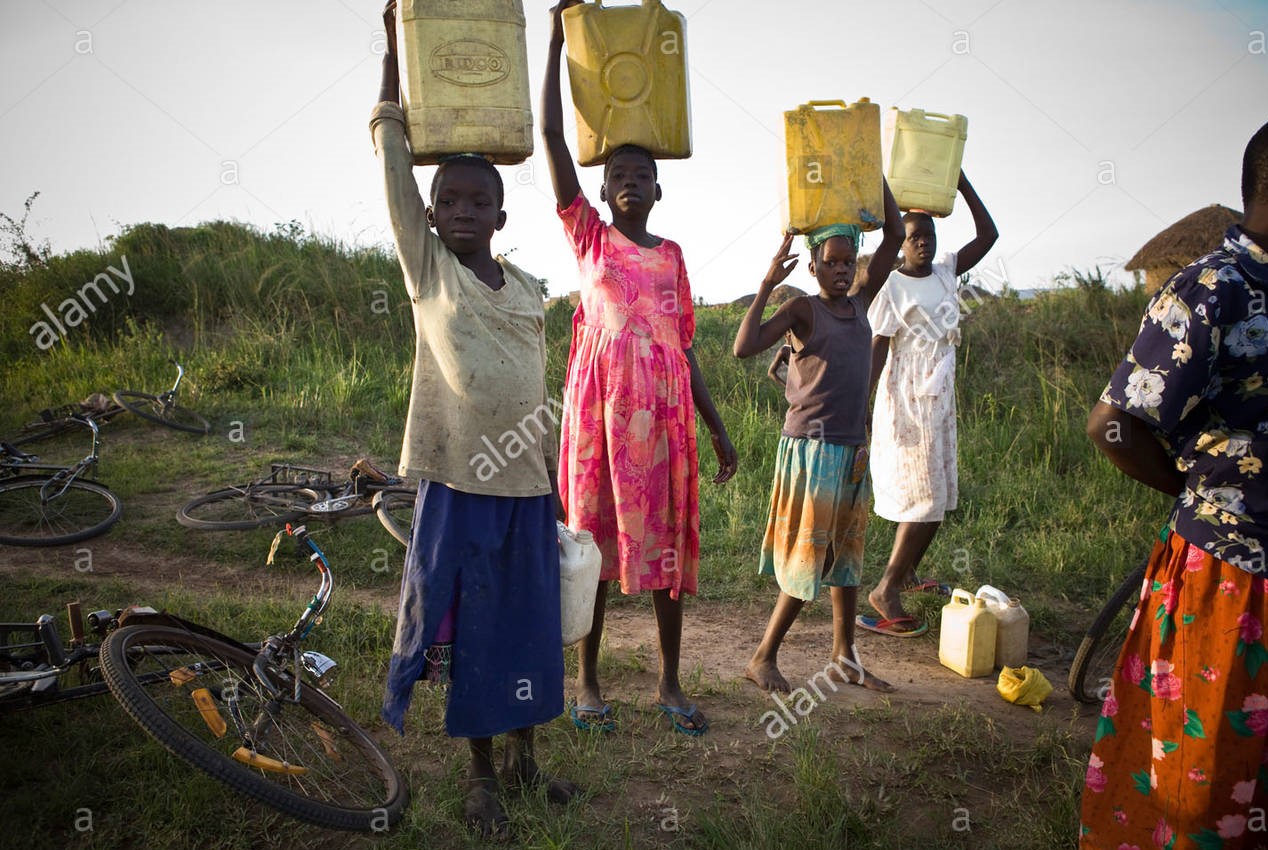
While the crisis affects all of humanity, women and girls, particularly in rural areas, are among the most vulnerable. Many depend directly on natural resources such as fishing, farming, and firewood collection for their daily survival. As biodiversity declines, their ability to secure food, income, and energy is severely compromised.
“Biodiversity loss is not a distant environmental issue, it is a direct threat to women’s livelihoods, health, and food security,” the brief highlights.
The report also stresses that pollution, including plastics and toxic chemicals, is compounding the burden, exposing women and their families to health risks while diminishing access to safe water and fertile land.
Global leaders are expected to confront these challenges at the 16th Conference of the Parties to the UN Convention on Biological Diversity (COP16), scheduled for 21 October to 1 November 2024 in Cali, Colombia. The summit is expected to focus on accelerating implementation of the Global Biodiversity Framework, with gender equality and community participation flagged as critical elements of success.
UN Women is calling for stronger policies that recognize the gendered impacts of biodiversity loss and ensure women are fully involved in shaping climate and environmental solutions.
“The future of our planet depends on urgent, inclusive action,” the report concludes.
SheVoice is more than a movement it is a platform dedicated to amplifying the voices of women and girls, empowering them to unlock their potential, and inspiring them to take their rightful place as leaders in society.